Packaging Costs Set to Rise as Oil and Energy Markets Shift
Recent geopolitical tensions are driving volatility in oil and energy prices, with potential knock-on effects for plastics, paper packaging, and global freight costs.
Recent geopolitical developments are beginning to influence several key raw materials used across the packaging sector. The biggest shift right now is coming from global oil and energy markets following the recent conflict involving Iran.
After a prolonged period of relative stability, rising energy prices are beginning to ripple through plastics manufacturing, paper production and international logistics.
Below is what we’re currently seeing, what it could mean for packaging costs in the coming months and how Lindum Packaging is positioned to support continuity of supply.
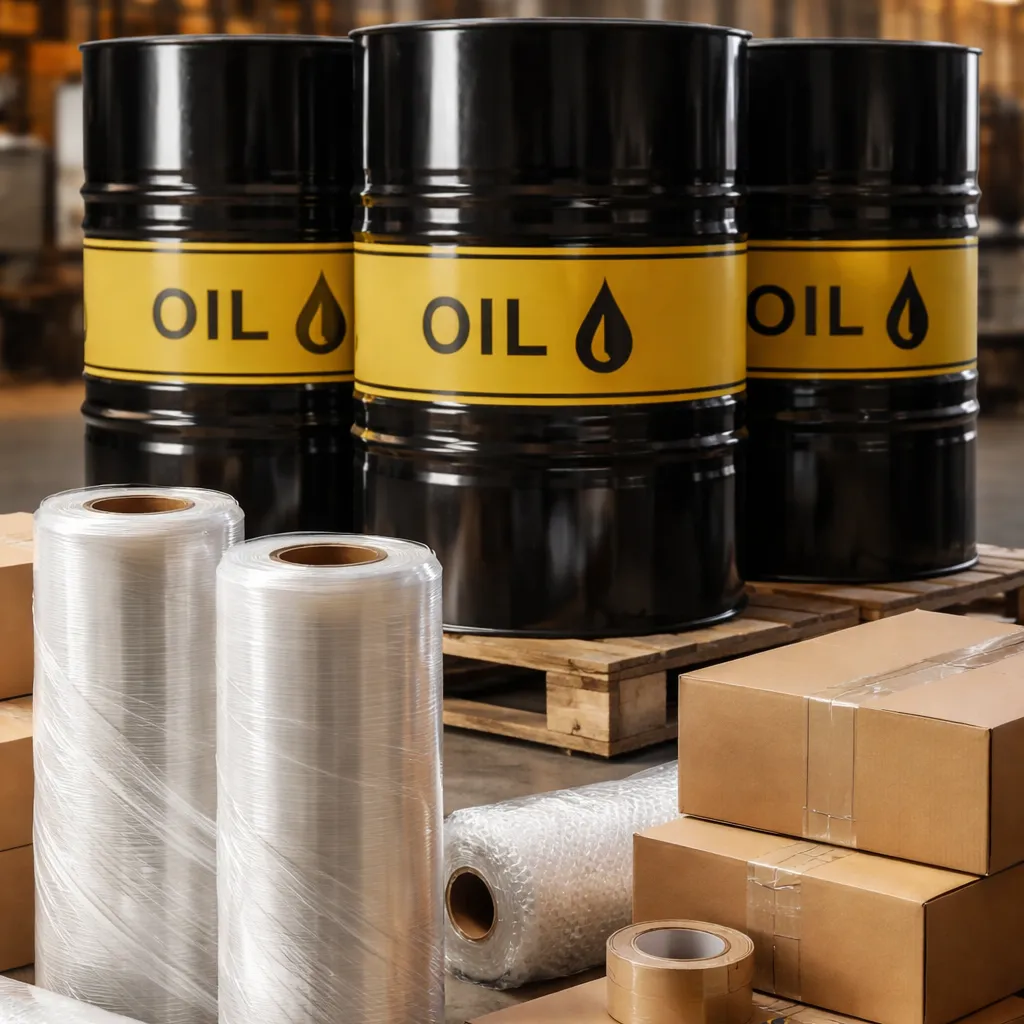

Oil and energy are currently the most significant factors influencing global packaging markets.
Global crude oil prices have risen sharply in recent weeks, with Brent crude exceeding $100 per barrel for the first time since 2022 and briefly reaching levels above $110–$119 as markets react to supply risks in the Middle East.
That matters because energy sits underneath a large portion of packaging manufacturing costs across plastics, paper and transport.

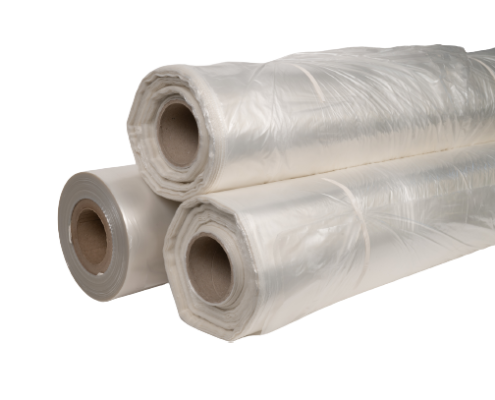
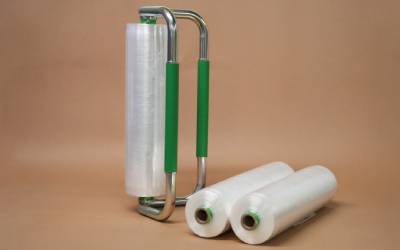
Plastic packaging is directly exposed to oil movements because common polymer resins such as LLDPE, LDPE, PP and PET are derived from petrochemical feedstocks.
Within many flexible packaging products:
As feedstock and production costs rise, film manufacturers across the industry are beginning to signal potential price increases.
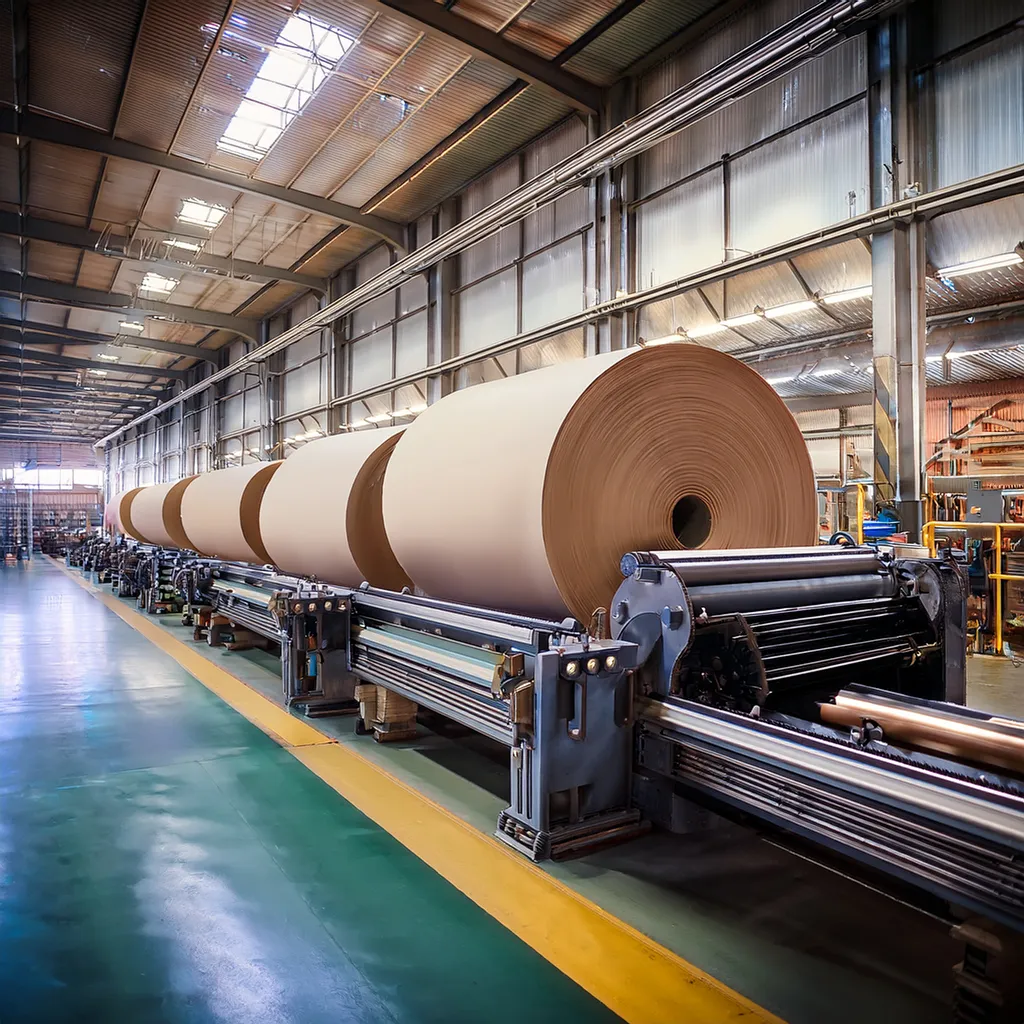
Paper manufacturing is also highly energy intensive. For many paper mills, energy represents 15–25% of total production costs.
When energy markets become volatile, paper production costs can quickly follow.

Higher fuel prices are also beginning to push international transport costs upward.
Marine fuel and diesel prices track crude oil closely, meaning the recent oil price spike is already affecting global shipping and road transport.
Despite the uncertainty across global markets, Lindum Packaging remains well positioned to support customers.
Our hybrid supply chain combines UK manufacturing with globally sourced production to ensure stable and flexible packaging supply.
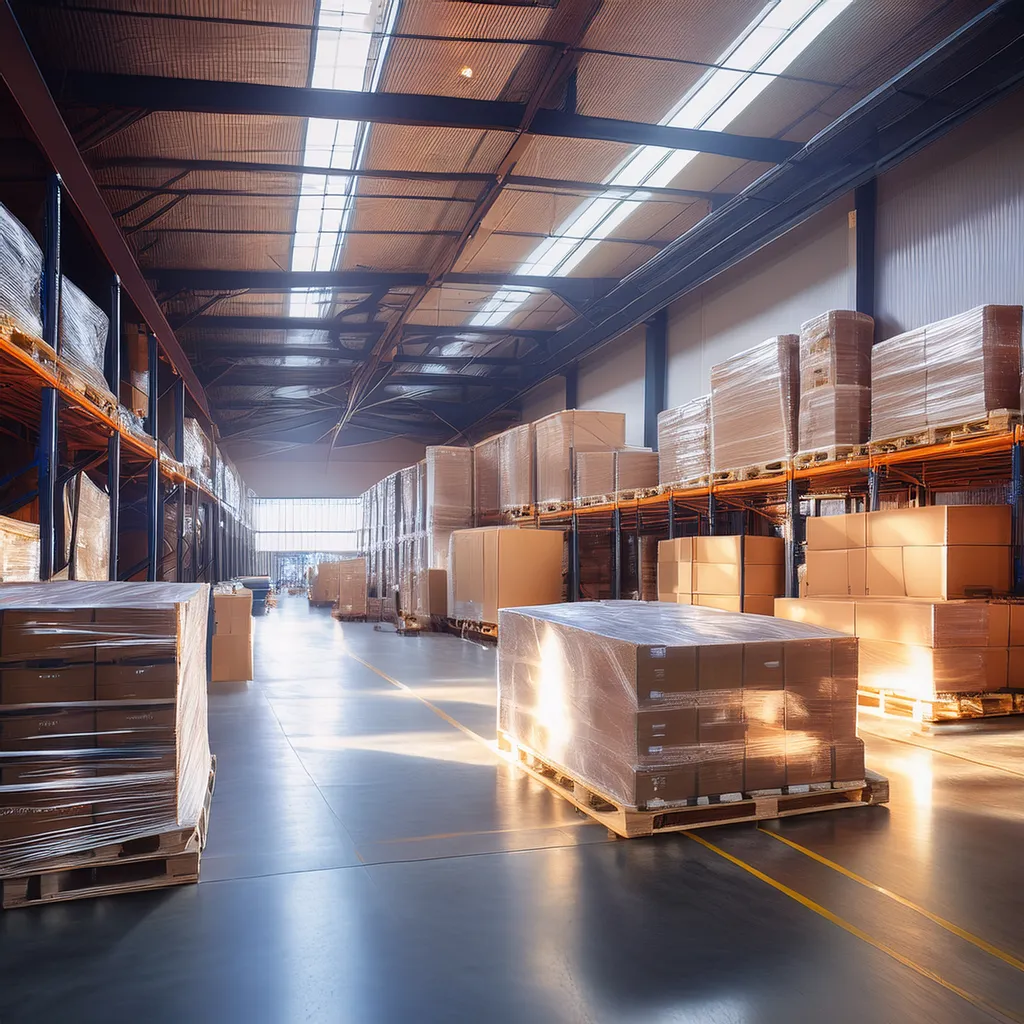
If you have questions about how these market changes could affect your packaging or supply plans, our team is here to help.
Speak with a Lindum packaging specialist.
We will continue to monitor developments closely and keep customers informed as the situation evolves.
Energy markets remain volatile, and the full impact on packaging supply chains may develop over the coming months.


© Lindum Packaging Limited, registered in England and Wales, number 03686136. VAT registration number 716624731